
 THE NEW YORK TIMES
Published Nov. 21, 2026 Updated Nov. 23, 2026, 3:52 p.m. ET
By Hiroko Tabuchi and John Ismay
The Army had hired a firm to turn the explosives into harmless waste, but then dropped it in favor of an open-air detonation at the Iowa Army Ammunition Plan that could launch lead dust across Iowa. The Army had hired a firm to turn the explosives into harmless waste, but then dropped it in favor of an open-air detonation at the Iowa Army Ammunition Plan that could launch lead dust across Iowa.
In March, when the Army discovered nearly five tons of rapidly deteriorating explosives at an Iowa base, it faced two main choices: hire a company to safely dissolve the chemicals, or blow them up. The Army awarded a contract to MuniRem Environmental, a Georgia-based firm that uses chemicals to neutralize munitions. But it canceled the deal two months later, citing safety concerns, opting to blow up nearly five tons of the material instead.
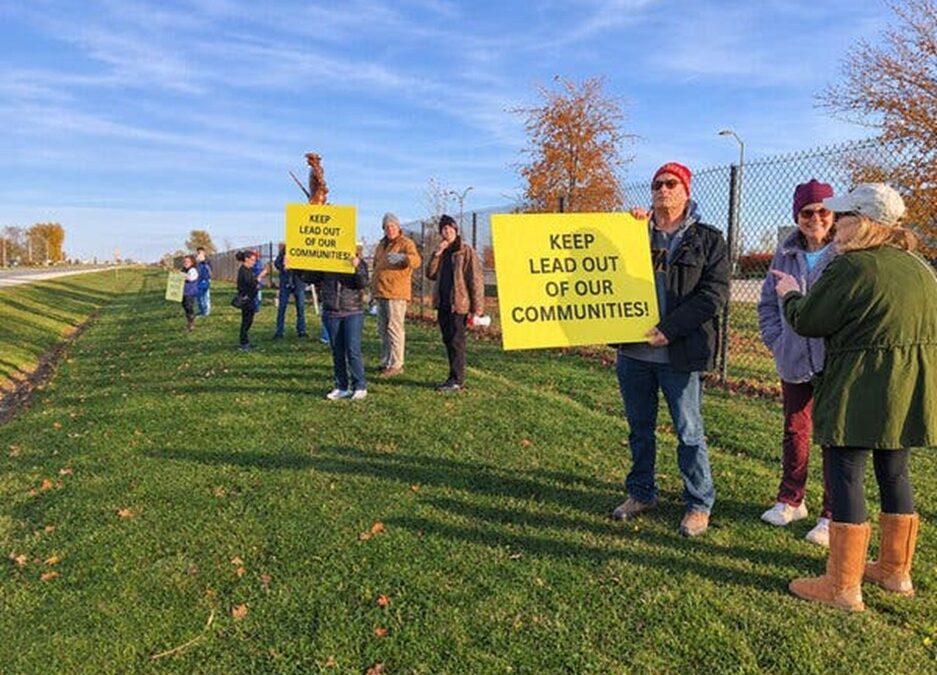
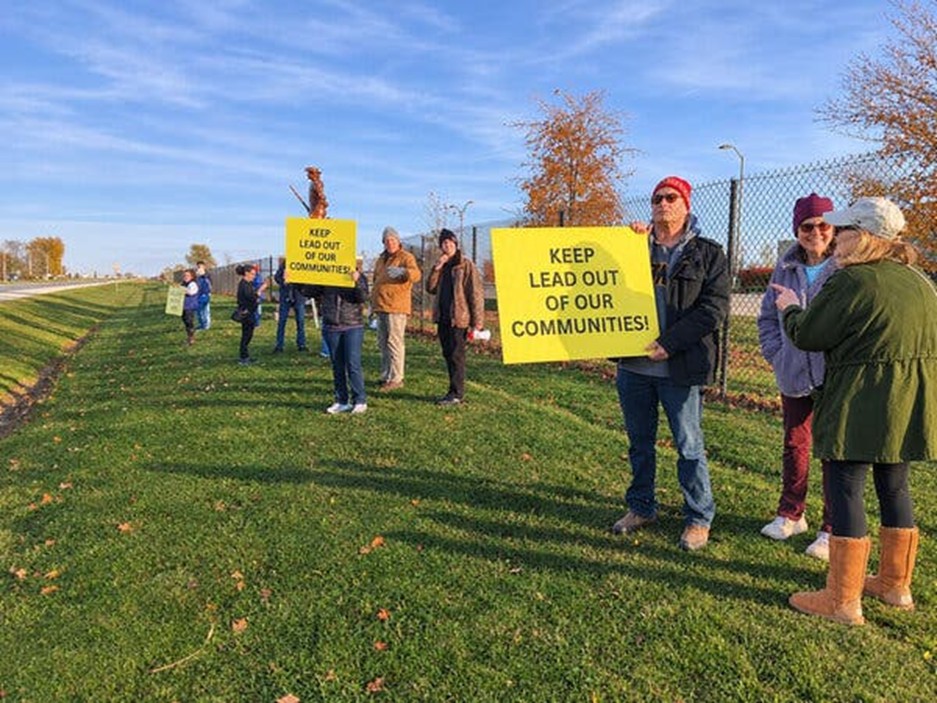
The detonation was scheduled for Wednesday (Nov. 23) but on Monday, President Trump said he ordered the Army to hit pause. Residents, environmentalists and elected leaders are in an uproar because the material contains lead, and the blast could potentially contaminate hundreds of square miles with toxic dust.
The Army did not respond to questions about its canceled deal with MuniRem and why it chose to blow up the dangerous material. The details about the MuniRem contract have not previously been reported.
It is unclear why the Army did not remove and dispose of the drums of lead azide before they reached the point of deterioration that forced the decision to detonate them.
(EDITED FOR LENGTH)
PHOTO: Protesters in Middletown, Iowa, on Wednesday, by Julie Nickell/The Hawk Eye, via Associated Press